

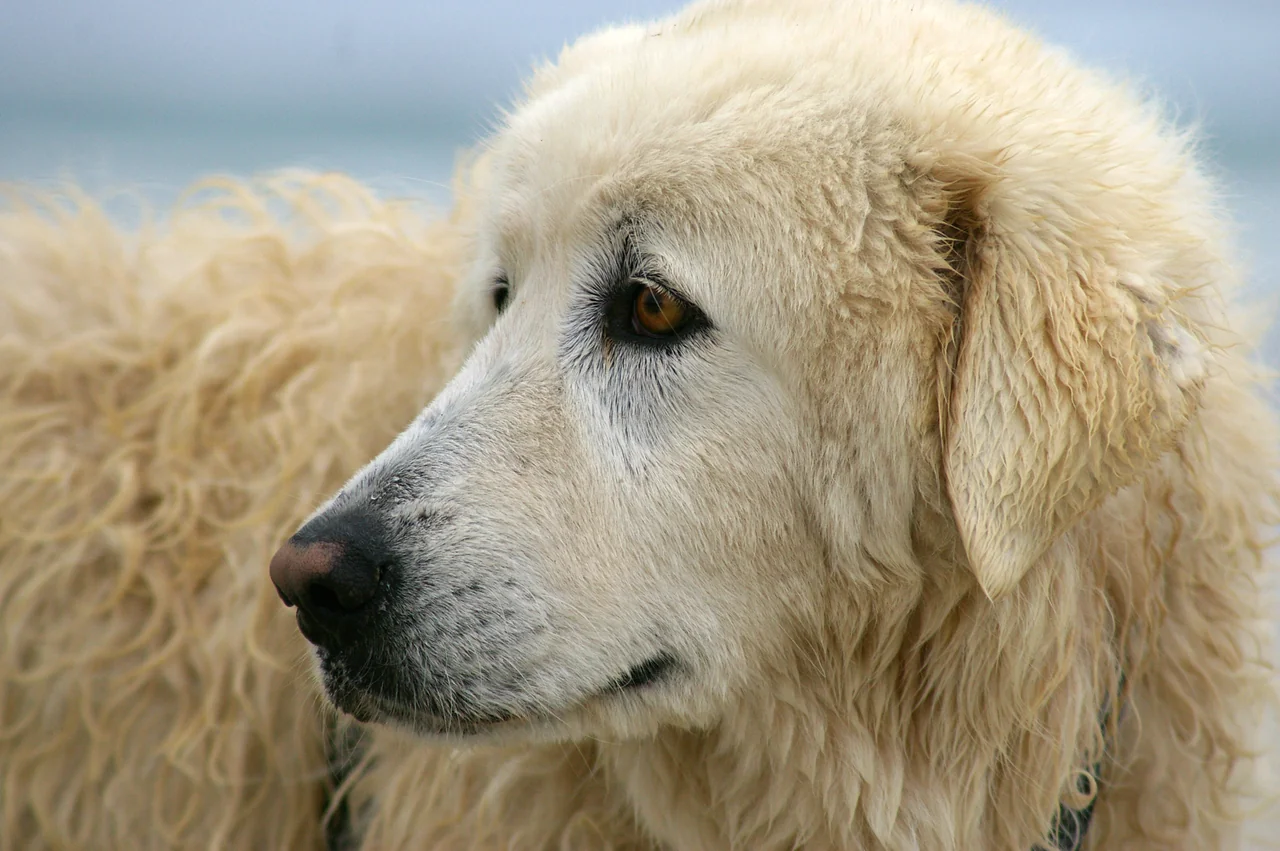
A Maremma's white coat and calm watchfulness can be appealing. But this is a specialist livestock guardian, not a fluffy substitute for a more adaptable companion breed. For most small suburban households, its working instincts create challenges that a bigger walking schedule alone will not solve.
What the Maremma was bred to do
The breed comes from Italy's flock-guarding traditions. Its job was to remain with animals and deter threats, rather than gather or drive sheep on a handler's instructions. Dogs Australia places it in Group 5, Working Dogs, but “livestock guardian” describes its actual role more clearly. Dogs Australia breed standard
In Australia, Maremmas guard various livestock, including poultry. Dogs NSW explains that warning barking and watchfulness are part of this job; those same behaviours can become difficult around neighbours, unfamiliar visitors and ordinary suburban noises. Dogs NSW breed profile
Independence changes the ownership question
Maremmas can bond closely with familiar people and animals while remaining reserved with strangers. Individual temperament and upbringing matter, but socialisation should not be sold as a way to erase guardian instincts. The American breed club explicitly does not recommend the breed as a conventional pet and stresses careful introductions and management around visitors. Maremma Sheepdog Club of America FAQ
Before choosing one, make a practical plan for secure boundaries, deliveries, tradespeople, visiting children and veterinary visits. A property is not automatically suitable merely because it has acreage. Where will the dog safely rest while someone repairs a fence? Who can care for it when you travel? Treat these as selection questions, not problems to solve after arrival.
Training, activity and other animals
Teach handling, lead skills, recall and calm separation using rewards and patient repetition. Independence is not a reason for punishment; RSPCA Victoria recommends reward-based methods for dogs generally. Seek a qualified trainer with livestock-guardian experience rather than an approach based on dominating the dog. RSPCA Victoria
Offer regular movement, exploration and appropriate activity for the individual. A working dog's exercise pattern will differ from a companion's; neither a stopwatch nor an empty paddock establishes good welfare. Give the dog daily care and observation, even when its role is outdoors.
Do not assume a puppy can safely be left with chickens, lambs or household pets. Introductions and early working experience need knowledgeable supervision; playful young guardians can accidentally injure smaller animals. Equally, affection towards familiar children is not permission to leave a child and dog unsupervised. Breed-club guidance on animals and training
Coat and health
The thick double coat needs regular inspection and brushing, with extra attention during shedding. Check beneath the surface for tangles and debris rather than judging care by how white the dog looks. Dogs NSW coat description
Ask about parental hip screening: hip dysplasia occurs in the breed. Discuss appropriate growth, body condition and preventative care with your vet. The breed club also flags bloat; sudden abdominal swelling or unsuccessful retching warrants urgent veterinary attention because gastric dilatation-volvulus can be life-threatening. This article cannot assess an individual dog's risk. Maremma club health guidance, Cornell veterinary guidance on GDV
Quick questions
Is a Maremma a herding dog? No. Its traditional task is guarding livestock, not moving them like a Kelpie.
Can a Maremma live in an apartment? It is a poor default choice. Space, territorial vigilance, barking and visitor management all need serious consideration.
Will a Maremma automatically protect my chickens? No. Suitability, supervised introductions and patient development matter; breeding alone is not a training programme.
Best fit: Consider this breed only with informed, breed-specific support and a setting that accommodates a guardian's needs. Choose another breed if quiet suburban convenience is essential.