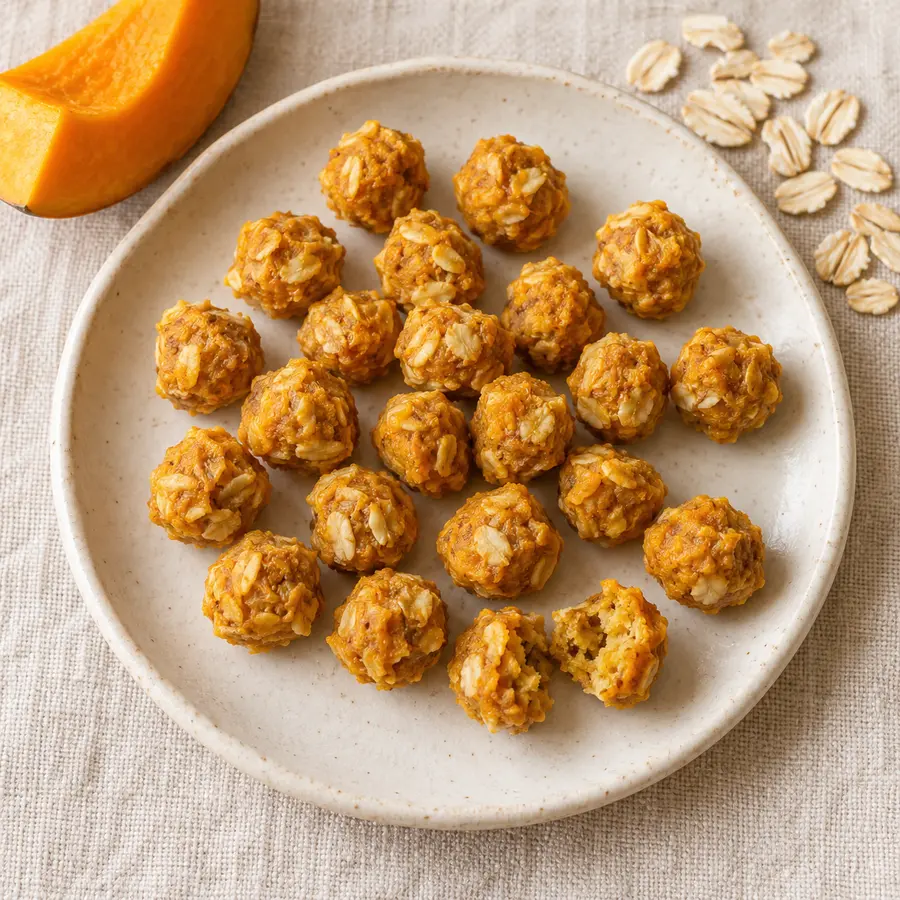
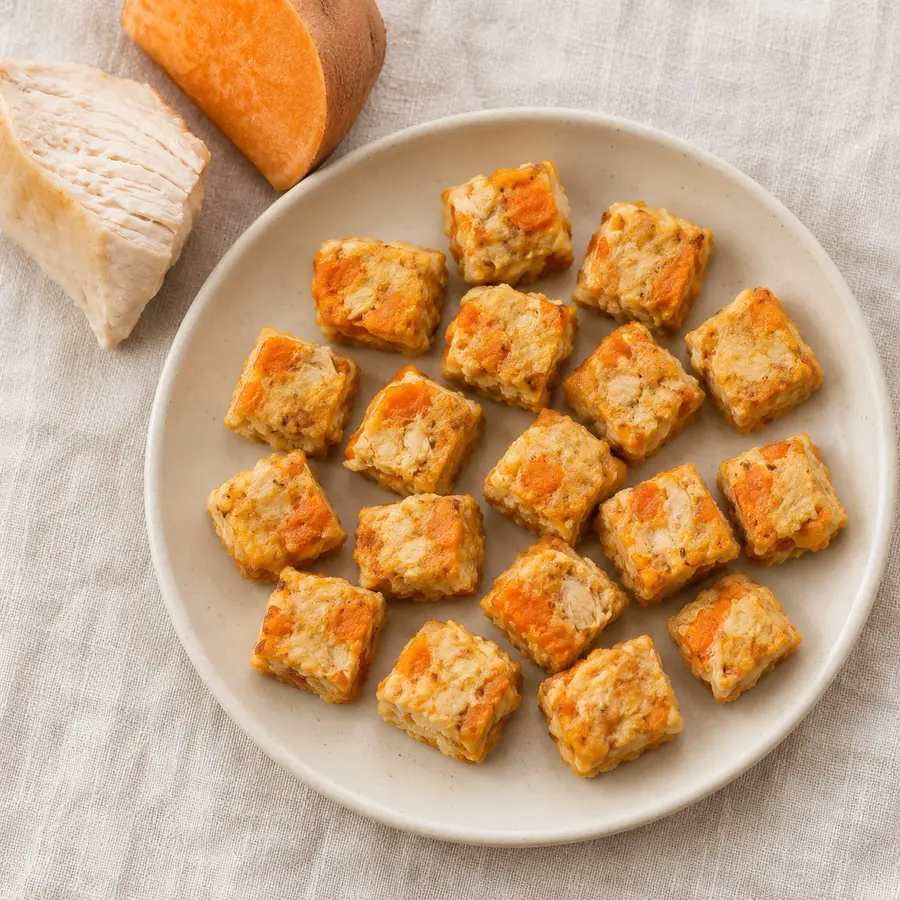
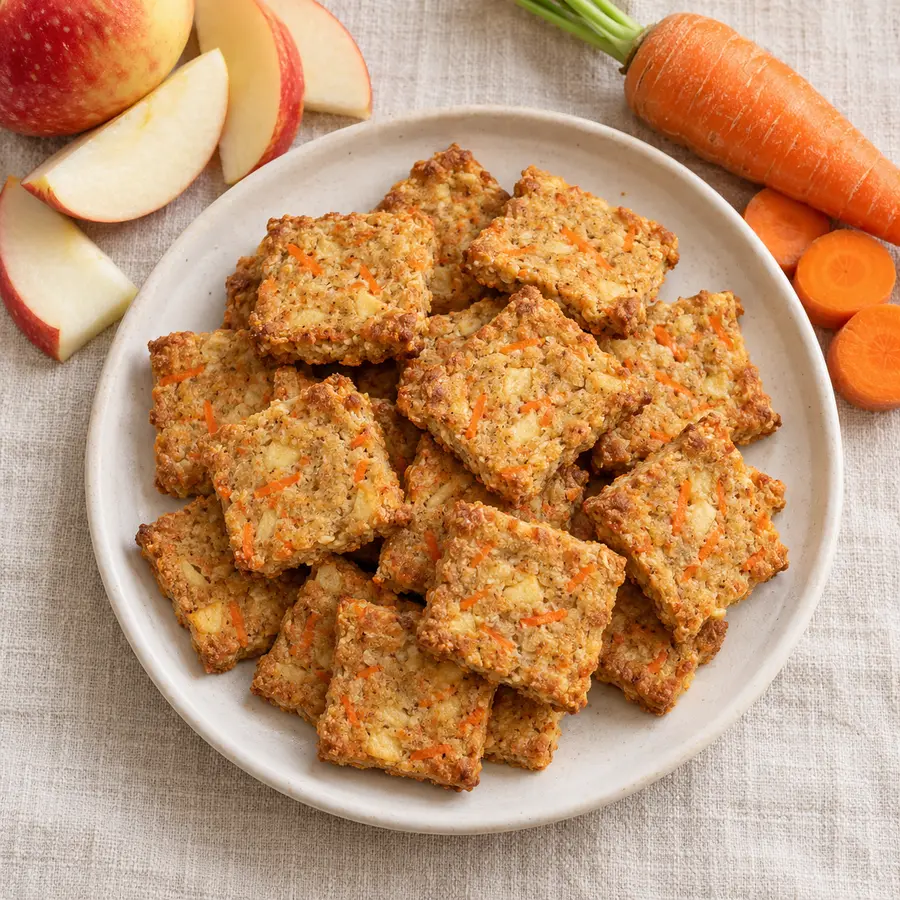
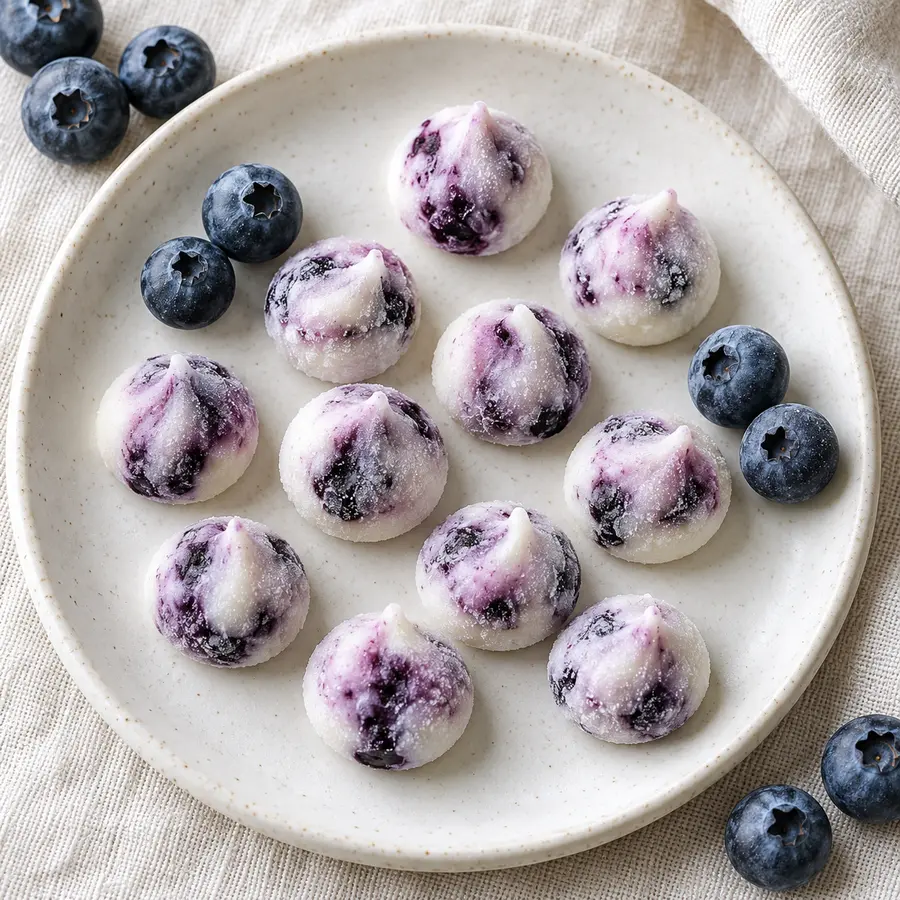
These homemade treats are not shelf-stable. Keep the fridge at 5°C or below and freezer at −18°C or below. Use clean, airtight containers labelled with the recipe, preparation date and use-by date. Recipes 7–11 have individual storage limits above; these are conservative home-storage guidelines, not laboratory-tested shelf lives.
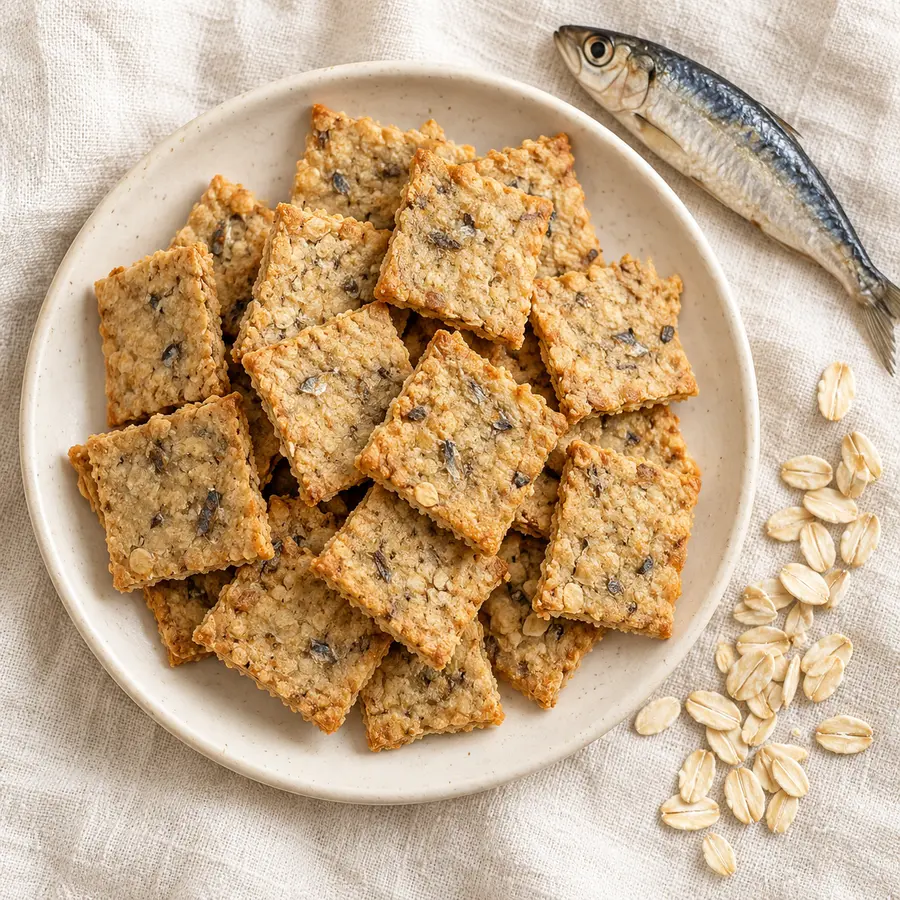
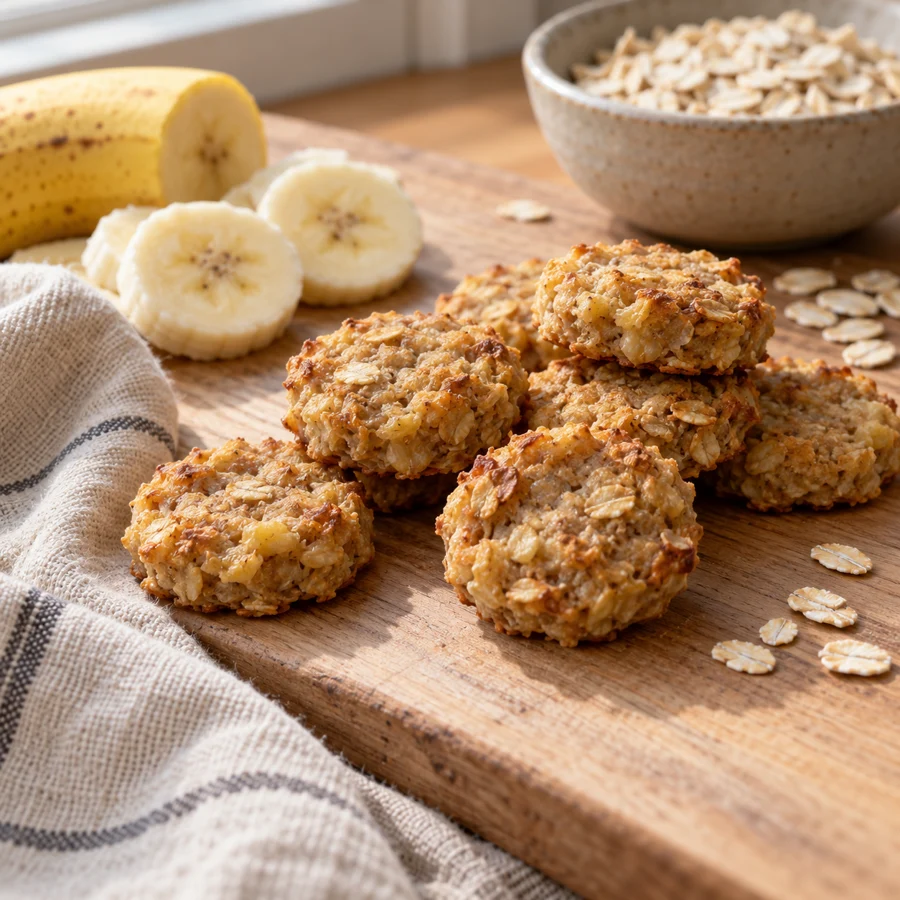
Cool promptly: spread baked treats in a single layer or shallow container, then refrigerate within 2 hours of cooking. Do not leave them out overnight to dry. Keep only a small serving out and return the clean batch to the fridge straight away. For recipes 1–3 and 5, refrigerate for up to 3 days; use chicken and sardine batches within 2 days.
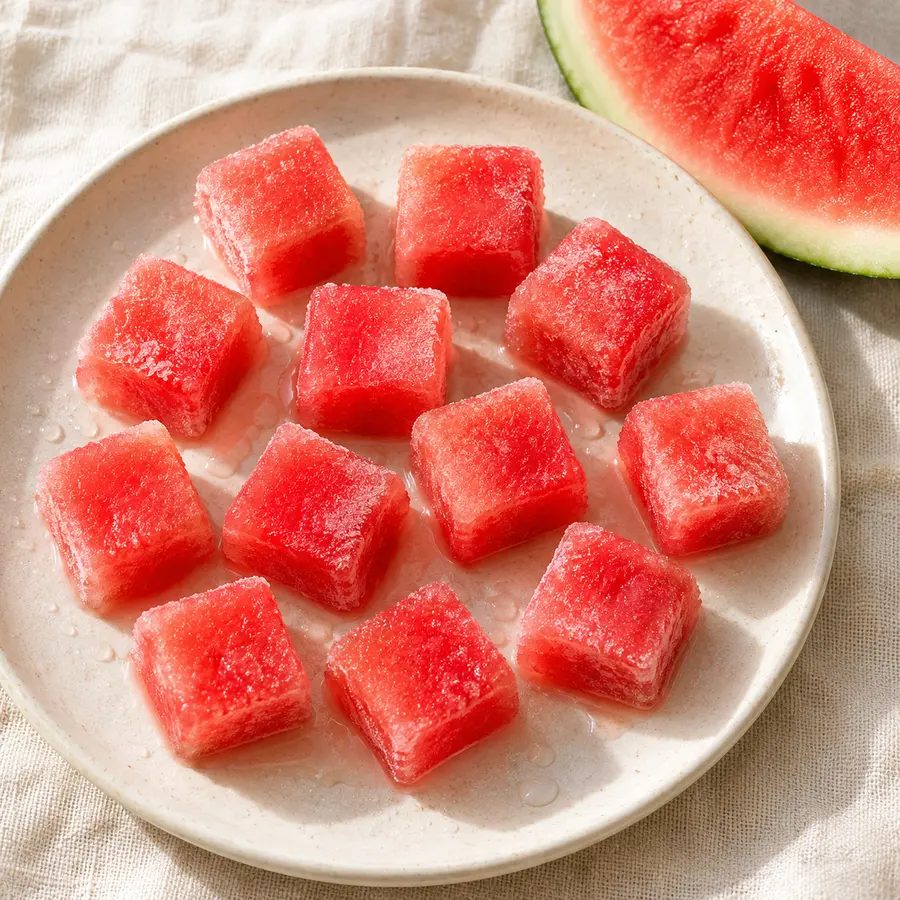
Freeze early: portion fresh treats and freeze for up to 1 month for best quality. For the blueberry yoghurt buttons and watermelon cubes, store frozen for up to 1 month. Thaw only what you need in the fridge and use within 24 hours. Soften frozen treats until easily mashable before serving; avoid hard chunks. Do not refreeze thawed portions.
Outings and leftovers: carry perishable treats in an insulated bag with an ice brick. As a simple cautious rule for these recipes, discard treats left without refrigeration for 2 hours in total, sooner if they become hot or you are unsure. Throw away leftovers from a licked bowl or mat instead of returning them to the batch.
Discard treats if mouldy, slimy or off-smelling, but remember that unsafe food can look and smell normal. Follow the time limits even when food seems fine. Freezing does not make spoiled food safe. Wash hands, produce, utensils and surfaces; cook poultry and eggs thoroughly and keep raw ingredients away from ready-to-eat treats.
Recipes are occasional rewards, not balanced meals or treatment for a health condition. Yields and cooking times are approximate; check doneness. Ask your vet about suitable portions for your individual dog.