
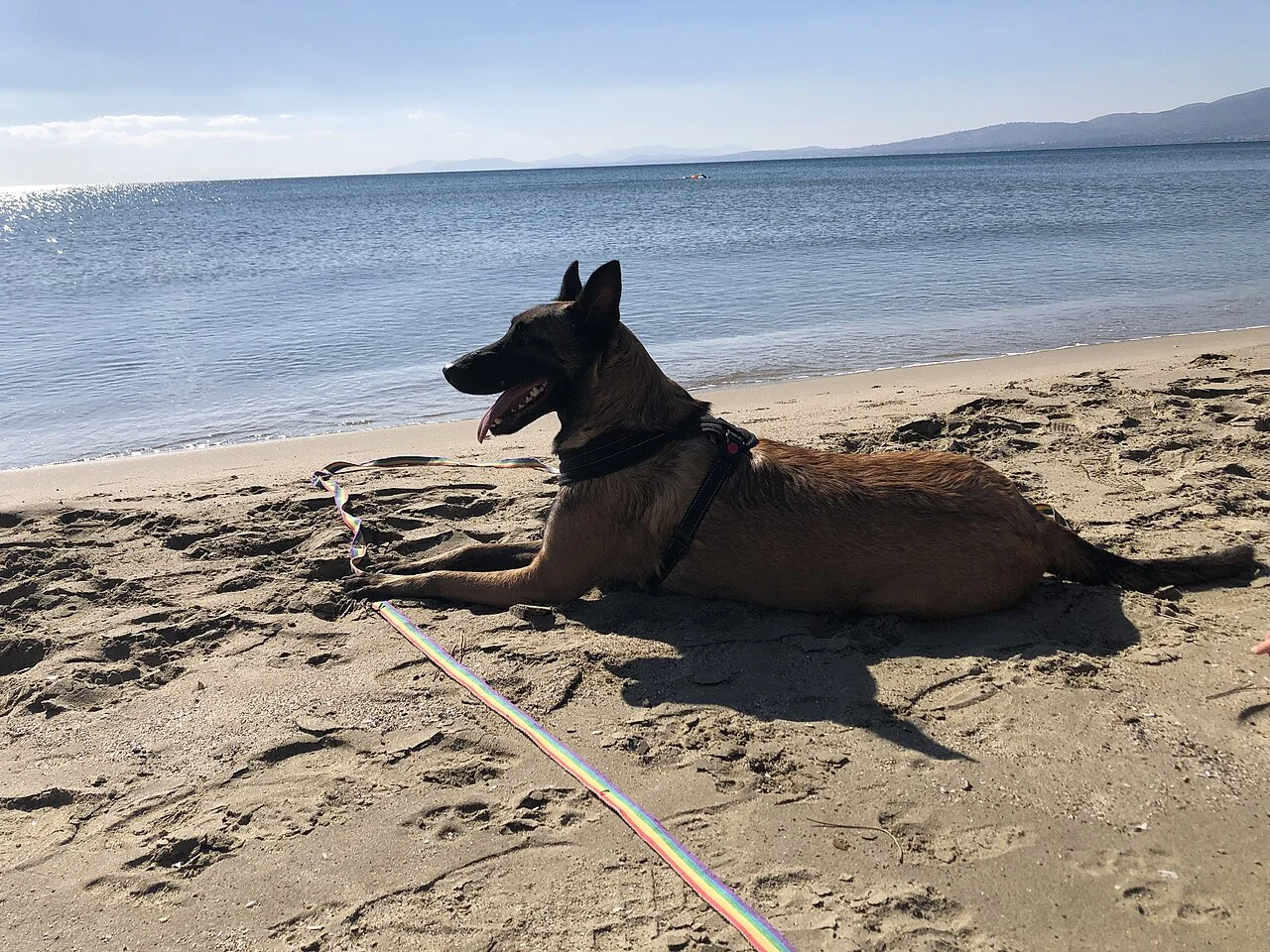
Australian breed name: Belgian Shepherd Dog (Malinois).
Look beyond the impressive training videos
The Malinois can be an extraordinary partner for a suitably committed owner. It is not an easy route to an automatically obedient dog. The polished performance you see online says little about the training, management and recovery time behind it.
In Australian breed terminology, the Malinois is the short-haired variety of the Belgian Shepherd Dog. The breed's origins are in Belgian sheep work; its heritage helps explain the alertness and readiness for action that owners must accommodate. Belgian Shepherd Dog Club of Queensland breed guide
A close relationship with substantial responsibilities
Malinois commonly form strong attachments and need meaningful activity with their people. The American breed club explicitly asks prospective owners to consider their training time, daily exercise arrangements and absences. A dog left outside to “guard the yard” is not the companionship model this breed needs. American Belgian Malinois Club suitability guide
Individual dogs and breeding lines differ. Ask about sociability, sensitivity, recovery after excitement and behaviour in ordinary homes—not only sporting achievements. Meet mature dogs where possible. An experienced rescue assessment can also help identify an adult whose needs are better understood.
Our practical recommendation is to treat the Malinois as a demanding choice, particularly for a first dog or already stretched household. That is a fit judgement, not a claim that every Malinois behaves identically.
Training must be humane, not harsher
Channel activity through suitable scent work, obedience, controlled play and age-appropriate exercise. Include quiet rest and teach disengagement, recall, comfortable handling and settling. More intensity is not always the answer to an already overstimulated dog.
A powerful working dog still learns through humane methods. Veterinary behaviour guidance recommends reward-based training and rejects the idea that aversive methods are necessary. For fear, aggression or severe anxiety, start with a veterinarian and appropriately qualified behaviour support rather than escalating punishment. AVSAB humane training statement
Do not copy adult athletic routines with a puppy. Growing dogs need carefully managed activity, and repeated jumping or forced running can be inappropriate. RSPCA puppy exercise guidance
Children, pets and smaller homes
Fast movement can encourage chasing or herding behaviour, which complicates life with young children. Supervise directly, use safe separation and never make a child responsible for managing the dog. Compatibility with cats or other small animals requires individual assessment; training does not justify taking avoidable risks. American Kennel Club family-fit discussion
A smaller home adds practical constraints around stimulation, noise and secure exercise access. A larger property does not fix an inadequate routine either. Before committing, write down who will provide care, training and safe activity when work runs late or you are ill.
Grooming and health
The short double coat is simpler to maintain than the long-haired Belgian varieties, but it still sheds and benefits from regular brushing. Belgian Shepherd Dog Club of Queensland
Ask for documented hip, elbow and eye screening and discuss relevant DNA testing and family health history. The Queensland breed club recommends those joint and eye assessments across the varieties, alongside appropriate genetic screening. Your vet can explain the records and any further questions; normal results cannot guarantee lifelong health. BSDCQ health strategy
Best fit: an owner who actively wants a training-intensive lifestyle and has suitable support. Admiring the breed is not a reason to override an unsuitable household match.
Quick questions
Is a Malinois the same as a German Shepherd? No. In Australia it is a variety of the Belgian Shepherd Dog.
Can a Malinois be a family dog? Some can, with careful selection and substantial adult commitment. It is not a default family recommendation.
Will a big backyard be enough? No. Safe space is useful, but shared activity, training and companionship remain necessary.
Sources consulted: Belgian Shepherd Dog Club of Queensland breed guide and health strategy; American Belgian Malinois Club suitability guide; AVSAB humane training statement; RSPCA puppy exercise; American Kennel Club family-fit discussion, linked above. Breed-club pages were not adopted as veterinary nutrition guidance or blanket guarantees of family suitability.