
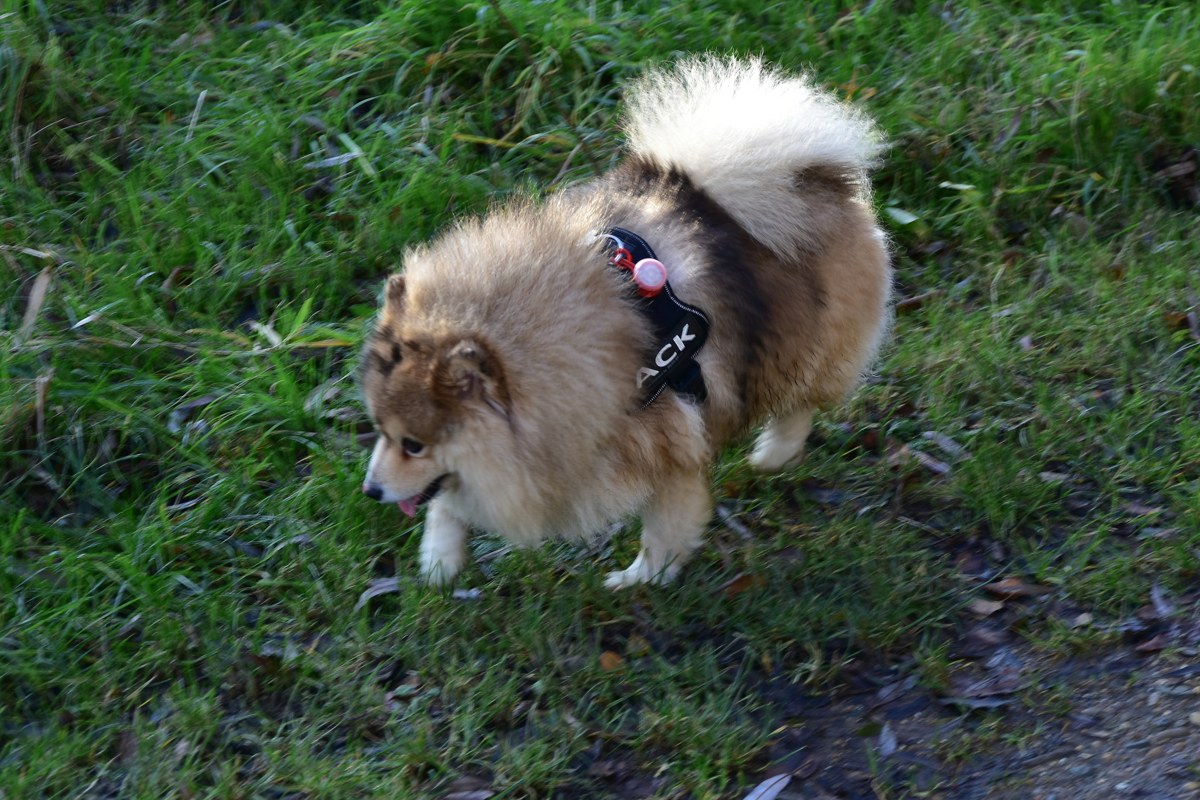

A Pomsky has Pomeranian and Siberian Husky ancestry. A striking photograph can make this cross look like a permanently puppy-sized Husky, but that is not a reliable description of the adult dog. Parent size, ancestry and generation vary. Ask for the actual family background and do not accept an exact adult weight, eye colour or temperament as guaranteed.
Start with the life behind the look
The parent breeds have different histories: the Siberian Husky was developed for endurance work, while the Pomeranian is a lively toy companion. Those descriptions help frame questions; they cannot tell you precisely how a particular cross will behave.
Ask about vocalisation, settling indoors, response to other animals and behaviour when left alone. Do not assume a smaller body means low exercise needs, or that friendliness means reliable recall. Plan secure boundaries and supervised outdoor time. If cats or small animals share your home, get a careful individual assessment and arrange controlled introductions rather than trusting a breed label.
A sensible routine combines appropriate walks, sniffing, training and rest. Introduce new activities gradually and adapt them to age, health and weather. In an Australian household, think through access to shade, cool indoor space and water before choosing any heavily coated dog. The right routine is one you can sustain on workdays, not just during an enthusiastic first weekend.
Coat and household practicalities
Expect to investigate substantial coat care rather than buying a “non-shedding” promise. Ask the current carer about seasonal shedding and ask a groomer to assess the coat. Practise calm handling and brushing in short sessions. Consider whether the household can tolerate hair, grooming time and potentially noticeable vocal behaviour.
An apartment is not automatically unsuitable, but it demands a realistic plan for toilet access, exercise, neighbours and time alone. Families should choose based on the individual dog's comfort with children and provide supervised interactions, not treat a fluffy appearance as proof of gentleness.
Ask uncomfortable questions before paying
The large difference between the original parent breeds makes reproductive welfare an important discussion. Ask who the parents are, whether the pairing and pregnancy were overseen by a veterinarian, and what arrangements protected the mother's welfare. This is not a home breeding project. A seller who focuses on colours or tiny size while avoiding health and welfare questions is not giving you enough information.
Ask for relevant records from both family lines. The Siberian Husky Club of America includes hip and specialist eye assessment, plus specified neurological DNA tests, in its breeding guidance. The American Pomeranian Club identifies cardiac and patella assessments among its screening recommendations. Have your vet interpret which assessments are appropriate to the actual parents; a cross name is not a health certificate.
Best fit: a prepared owner who can accept uncertainty, provide enrichment and grooming, and prioritise function and welfare over a miniature-wolf aesthetic. Meeting an adult rescue may make everyday needs easier to assess than selecting a puppy from photographs.
Source check: 27 October 2026. No Pomsky-specific health prevalence or guaranteed adult measurements asserted.