

“Labradoodle” can sound like a straightforward description: Labrador Retriever plus Poodle. Sometimes it is exactly that. But not every dog sold under a similar name has the same ancestry or the same care needs. Before discussing size, coat or temperament, ask the breeder or rescue what is actually known about the individual dog.
Labradoodle and Australian Labradoodle are not interchangeable
A Labrador–Poodle first cross is different from an Australian Labradoodle developed through multiple generations. The Australian Labradoodle Association's history of parent breeds includes additional spaniel and retriever ancestry. That does not mean every individual has equal proportions of all those breeds, or that the name provides a guaranteed coat or personality.
Ask for the documented pedigree or available history, not just a generation label. Treat an adult-size estimate as an estimate. “Mini” describes a breeding aim or marketing category, not a promise that a dog will fit a particular carrier or rental restriction.
Match the individual to your household
A large, exuberant youngster and a settled adult can make very different demands. Consider who will walk the dog, how it will travel and whether everybody can manage it safely when excited. Meet the dog at a sensible pace rather than judging suitability from a single lively greeting.
For an active individual, build a routine around walks, sniffing, training games and rest. Teach polite greetings and loose-lead walking early, before pulling and jumping become difficult to manage. Retrieving games can be enjoyable when the dog likes them, but endless activity is not a replacement for learning to settle.
The coat is a commitment, not a selling point
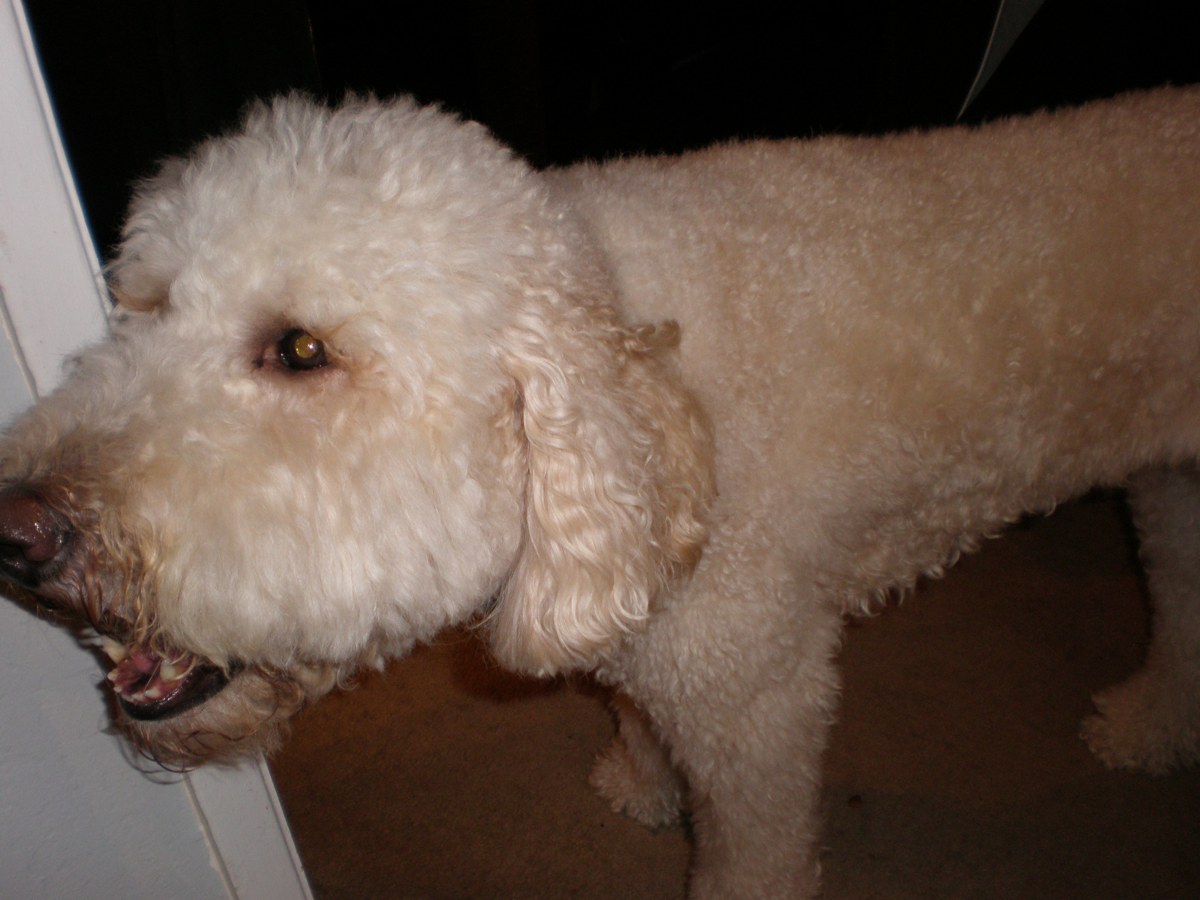
A Labradoodle can have different coat textures and shedding patterns. Ask what upkeep the actual adult coat requires. The most useful conversation is with a groomer about tools, time, appointment frequency and achievable coat length—not simply whether the dog is labelled “fleece” or “wool”.
Introduce handling calmly and make room in the budget for professional help. A longer style that nobody can maintain comfortably is not a better choice than a practical trim. No Labradoodle label guarantees suitability for a household with allergies; discuss allergy concerns with a medical professional before committing.
Which health results should you see?
The Labrador Retriever Club of Victoria describes hip, elbow and eye screening alongside other relevant health clearances for Labradors. The Poodle side needs screening appropriate to its variety, outlined by the Poodle Club of America. For multigenerational dogs, ask how the testing plan addresses the recorded ancestry rather than relying on a single generic panel.
Request reports tied to the actual parents and ask a veterinarian to interpret them. These are questions for responsible breeding and selection, not a diagnosis of a puppy. A clean-looking coat, an athletic parent or a large purchase price cannot substitute for evidence.
The decision in everyday terms
A Labradoodle may suit someone prepared for an involved dog, variable coat care and the possibility of a substantial adult size. It is not a shortcut to a maintenance-free Labrador or a guaranteed non-shedding family pet. Compare puppies with available adult dogs whose size and current grooming needs are clearer. Choose the individual and the support behind the placement, rather than a reassuring label alone.