Germany has given the dog world far more than one type of companion. A Dachshund following a scent, a German Shepherd learning a task and a Miniature Schnauzer announcing a visitor have different histories, even though their breeds share a country of origin. Understanding those histories can make their behaviour more interesting and help prospective owners ask better questions.
This article compares three German breeds rather than ranking them. Temperament descriptions are broad tendencies and, in breed standards, ideals. They are not promises about a puppy or a substitute for meeting an individual dog.
Dachshund and the determined scent follower

The Dachshund was developed for hunting above and below ground. Its long body and short legs are immediately recognisable, but its interest in following scent is just as important to its identity. The FCI recognises three coat types and three size varieties; terminology and classifications can vary between kennel systems. FCI Dachshund standard
The practical lesson is to make room for the dog's interests. A walk need not always be a brisk march past every smell. A safe, supervised search for a familiar toy or a few food rewards can give an owner something enjoyable to do with the dog at home. Keep the challenge easy enough that the dog stays engaged rather than frustrated.
Dachshunds can be affectionate, independent and vocal. Battersea advises engaging, rewarding training and highlights that owners need to consider the breed’s back-health needs. Those needs deserve individual veterinary advice rather than a one-size-fits-all exercise plan from a blog. Battersea Dachshund guide
For Frankie and Waffles readers, this is familiar territory: both are miniature Dachshunds. Their stories can make the breed feel personal, but neither dog should be used to predict every Dachshund’s temperament. Read Dachshund personality or visit Meet Frankie.
A useful question before choosing one: Can I enjoy a dog with its own interests while providing patient training, safe management and appropriate health care?
German Shepherd and the working partnership
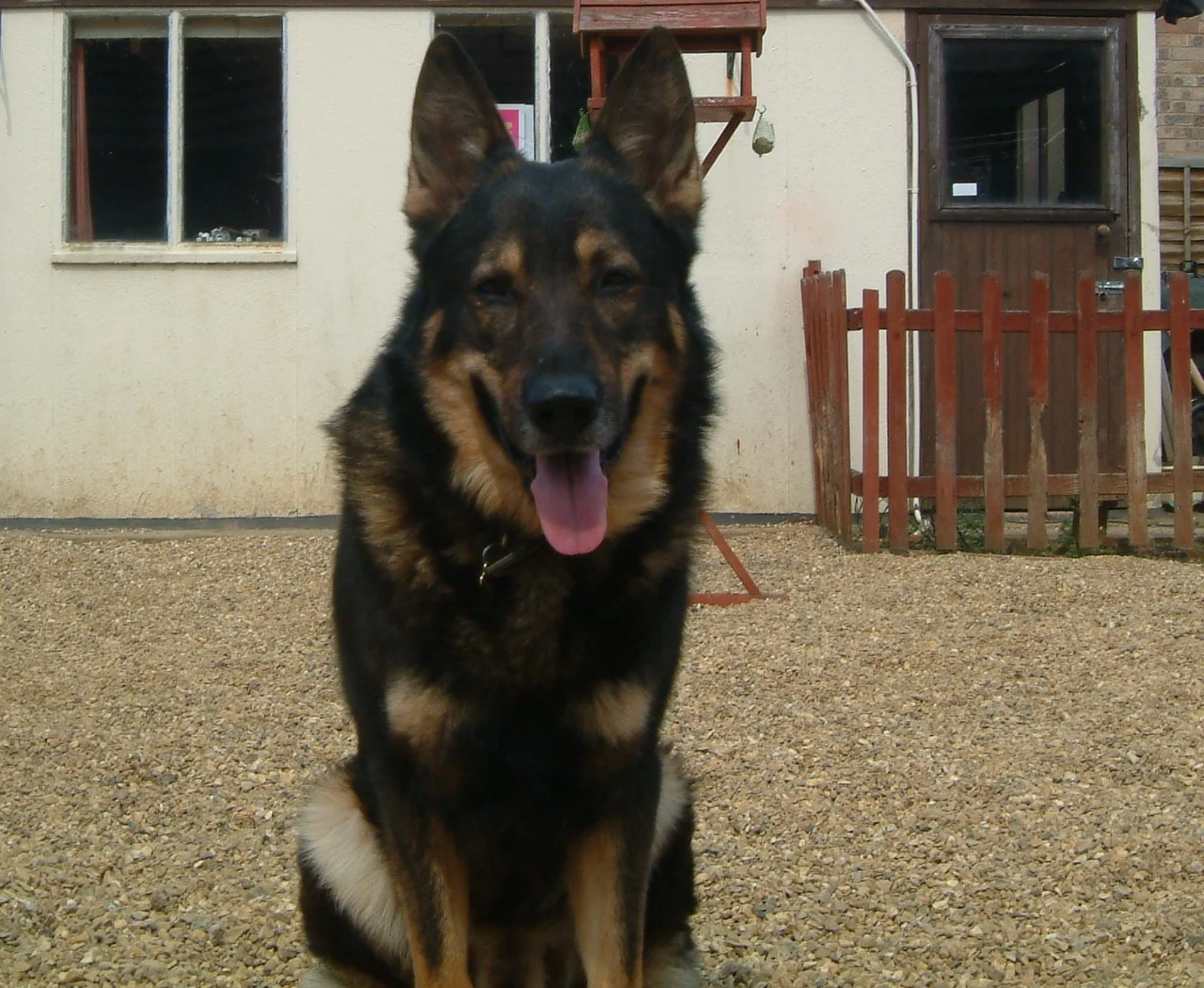
The modern German Shepherd developed from German herding dogs. Max von Stephanitz helped formalise the breed in the late nineteenth century, valuing the qualities of working sheepdogs. Its later service roles grew from that broader working background. AKC German Shepherd history
The AKC describes a capable, intelligent and confident working dog. For an owner, the appeal may be doing things together: learning practical skills, attending an appropriate training class or enjoying structured activities. However, “intelligent” should not be translated as “needs no teaching.” AKC German Shepherd guide
Before choosing a puppy or adult, ask about the specific breeding line, the parents or known background, how the dog responds to unfamiliar people, and what daily life has been like so far. A household wanting an easygoing spectator may have different needs from someone who genuinely enjoys regular training.
Our German Shepherd profile provides a starting point. Do not choose one solely to look intimidating or expect protective behaviour to manage itself.
A useful question before choosing one: Do I want a sustained training partnership, and have I met adult dogs from the type of line I am considering?
Miniature Schnauzer and the alert farm companion
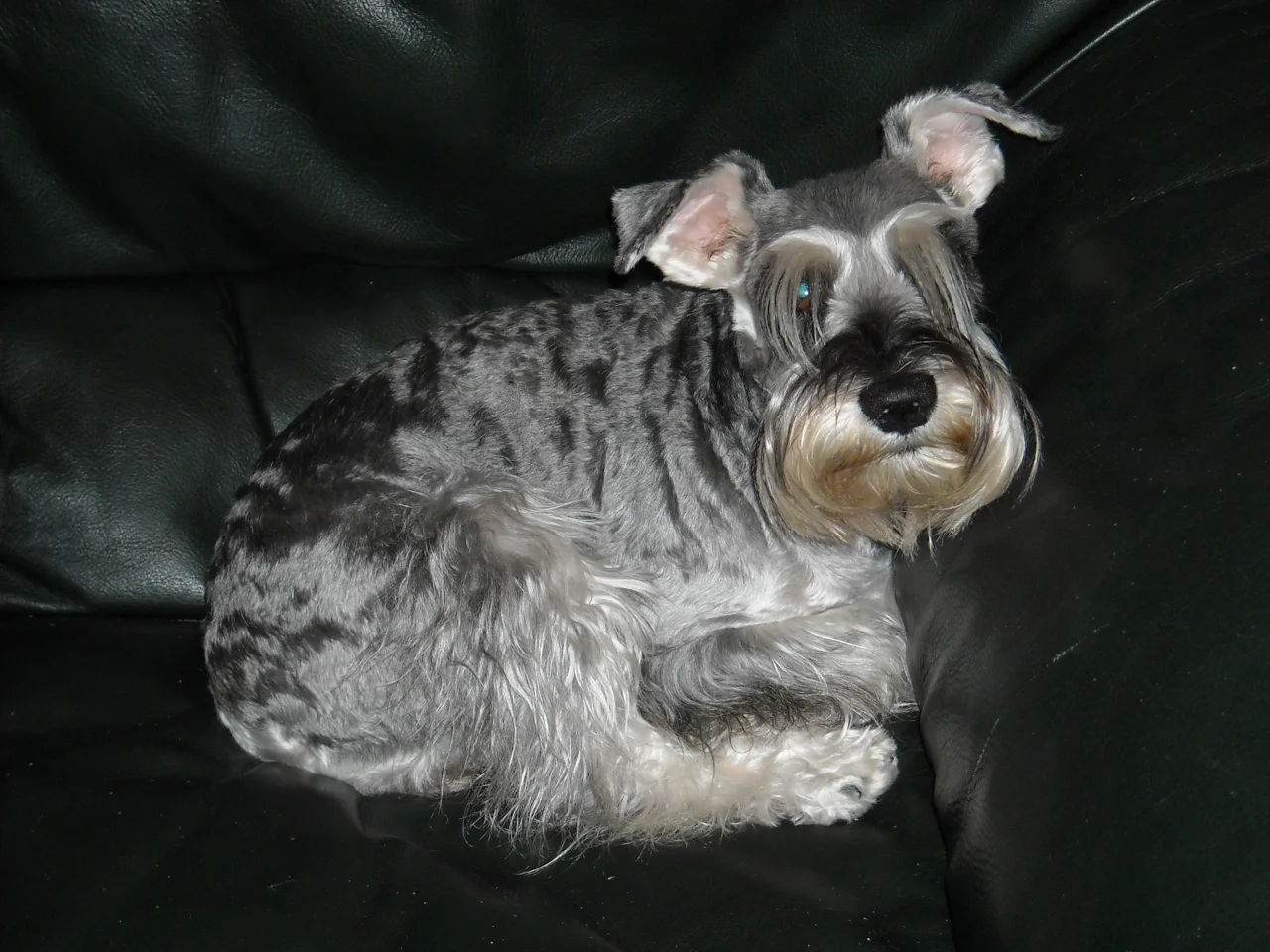
The Miniature Schnauzer’s German farm background included ratting and companionship. The American Miniature Schnauzer Club describes a bright, devoted dog that can also be vocal and interested in chasing small prey. It is a small breed with interests of its own, not merely a smaller version of a quiet lapdog. American Miniature Schnauzer Club
A compact size can be practical for some households, but owners still need to make time for exercise, interaction and grooming. Consider how you would manage barking at the front window and provide safe separation from small animals. Ask a groomer what maintaining the coat would involve before deciding the breed suits your budget and routine.
Some individuals enjoy learning games and organised activities. Let the dog’s confidence and enjoyment guide the choice rather than expecting a particular sport to come naturally. See our Miniature Schnauzer profile.
A useful question before choosing one: Am I comfortable with a lively, watchful companion and the practical work of coat care and everyday training?
A shared approach without pretending they are the same
For any of these breeds, use rewards to teach the behaviour you want. RSPCA Australia supports reward-based training rather than methods that rely on intimidation or pain. Start with manageable tasks and arrange the environment to make success easier. RSPCA training guidance
Instead of asking which German breed is “best,” ask which dog's needs you can meet on a busy Wednesday. Include the less glamorous details: someone must provide toilet breaks, maintain a secure space, arrange care during absences and pay for routine and unexpected veterinary care.
If you already have one of these dogs, its history can be a prompt to observe more carefully. Does your dog love a search game, enjoy practising a skill, or need more help relaxing around activity? Choose your next small improvement from the dog in front of you.