

Why this breed stands out
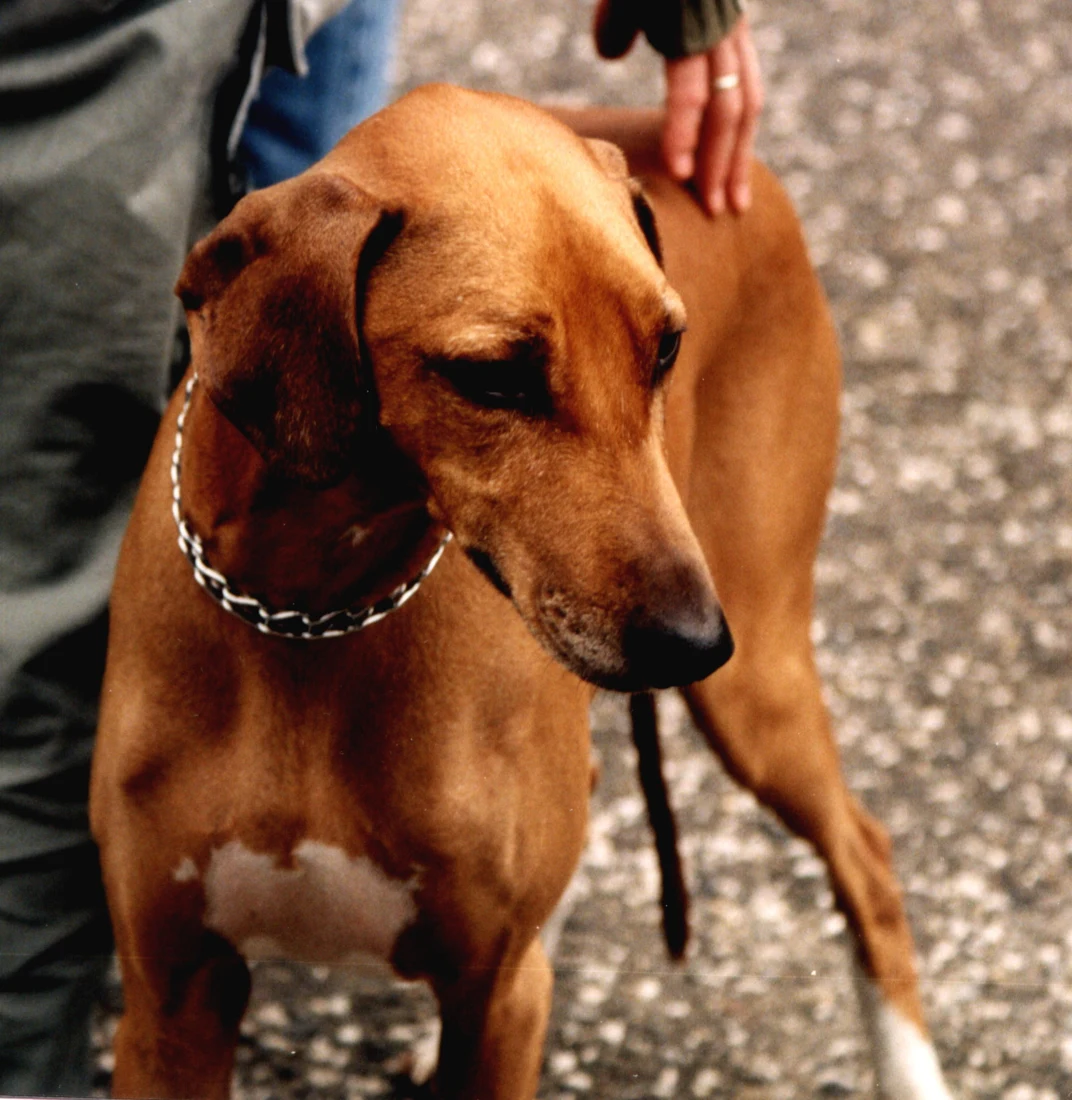
The Azawakh stands out for its outline and movement: long legs, a short body, a deep chest and a sharply rising belly, carried with a light, elastic gait. Its fine coat makes that structure especially visible. The breed also has a distinctive history as a hunter, guardian and companion of Tuareg and other communities in the Sahel. We selected it for this combination of form and heritage. Owners should learn appropriate body condition with their vet rather than judging the dog's health from its slim silhouette alone.
Sources: Breed reference 1 · Breed reference 2.
In Australia: availability and where to start
Small Australian breeder network.
Azawakhs do have Australian breeder contacts, but a listing should not be read as a ready supply of puppies. Dogz Online lists Grantulla in Melbourne and Jumadabey in Lara, Victoria; Jumadabey explicitly describes selective, infrequent breeding and possible waits. Use these as enquiry routes, then verify current membership through Dogs Victoria and discuss whether your household suits the breed. Ask about planned litters and chances to meet adult dogs before making a commitment; the directory did not establish an available litter for this guide.
Start here: Australian Azawakh breeder directory · Dogs Victoria Azawakh information.
Availability sources checked: . Listings are enquiry routes, not endorsements or confirmation of a current litter.
Compare all ten breeds and read the breeder-checking checklist →
Origin: a Sahel companion
The Azawakh's roots lie in West Africa, with Mali, Niger and Burkina Faso named by the American Azawakh Association as its countries of origin. This sighthound has a short, fine coat, long legs and a deep chest rising to a pronounced tuck-up. Its distinctive outline is only the beginning of its story. American Azawakh Association
Temperament: friendship on an individual timetable
The breed club describes Azawakhs as affectionate and playful with people they accept, while reactions to strangers can be more reserved. Dogs vary, and their experiences matter. Ask how a particular dog responds to unfamiliar people and places rather than expecting either instant sociability or a fixed stereotype of aloofness. Breed club temperament overview
Care: participation matters
The AKC recommends daily activity and notes that leaving an Azawakh in a yard is not a reliable way to provide exercise. Its fine coat needs relatively little brushing. Reward-based training and positive early experiences belong alongside physical activity, with plans adapted to the dog's age and circumstances. AKC care and training
Household fit: look past the silhouette
Before deciding, ask a breeder or rescue to describe life with an adult dog, including ordinary walks, visitors and quiet evenings. Could you offer suitable secure exercise and patient introductions? What are your expectations around children or other pets, and what evidence supports the proposed match? Consider how care would work during holidays or an unexpected change in your schedule. Give yourself permission to admire the breed without deciding it belongs in your home. Meeting several adults can turn an attractive idea into a much more informed decision.
Health: discuss the individual and the family history
Ask the breeder and vet about family history and appropriate assessment for thyroid, seizure, cardiac and immune-related concerns identified in the AKC guide. Also ask your vet to explain suitable body condition for this individual dog. Photographs and breed descriptions are not a substitute for a hands-on assessment or interpretation of health records. AKC health information