

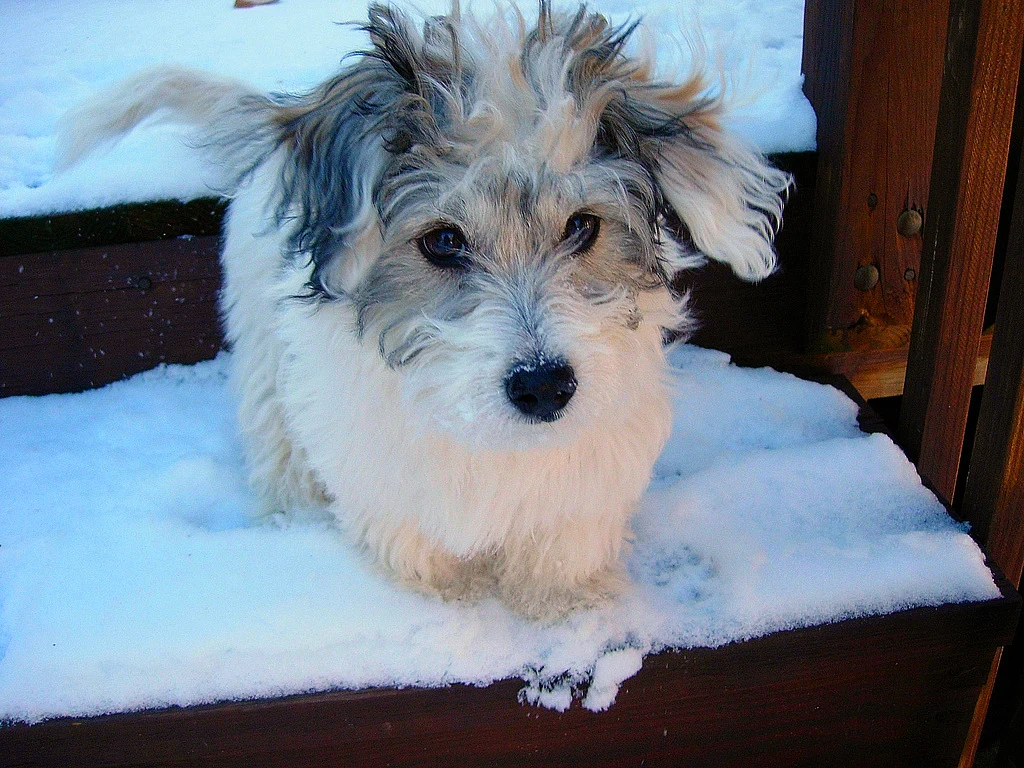
Why this breed stands out
The Coton's distinction is in the texture of its coat as much as its appearance. The breed standard describes a long, profuse, cotton-like coat; its name links that texture to Tulear, a port in Madagascar. This coat and Madagascan background explain its inclusion here, rather than any claim that a small white companion dog is inherently exotic. For owners, the cottony look carries a practical commitment: thorough brushing must reach the hair near the skin, where tangles can develop unnoticed beneath a fluffy surface.
Sources: Breed reference 1 · Breed reference 2 · Breed reference 3.
In Australia: availability and where to start
Australian breeders listed.
Coton de Tulear breeders are established in Australia. Dogs Queensland's own breeder directory lists Cotonrun and Guysndolls, while Dogz Online provides additional Australian contacts, including listings in Victoria and New South Wales. Begin with the state-body directory and ask directly about upcoming litters, adult placements and meeting the dogs. Check location carefully because some directories include New Zealand alongside Australia. An advertisement or 'puppies available' flag can change quickly, so confirm the individual puppy and breeder's details before paying anything.
Start here: Dogs Queensland breeder directory · Cotonrun on Dogs Queensland · Coton de Tulear breeder directory.
Availability sources checked: . Listings are enquiry routes, not endorsements or confirmation of a current litter.
Compare all ten breeds and read the breeder-checking checklist →
Where does the Coton come from?
The Coton de Tulear is associated with Madagascar, and its name links a cotton-like coat with the port of Tulear. Colourful shipwreck stories are part of the breed's folklore, rather than a reason to assume every detail of its beginnings is settled. Its history makes a good conversation starter; its daily needs matter more when choosing a companion. [1]
What is everyday life like?
Cotons are generally described as playful, affectionate and interested in their people. A small dog can still need a busy social life, training and things to investigate. Individual confidence and experience will influence how a Coton handles visitors, children and other dogs. Daily walks, play and short reward-based lessons offer more than carrying a dog everywhere. [2]
What does that coat involve?
A long coat needs thorough, regular brushing, including careful work near the skin where tangles can hide. A shorter pet trim may make management easier, but does not remove the need for grooming. Ask a groomer to demonstrate the tools and technique before committing to the look in a photograph. [2]
For an Australian household, make the grooming budget part of the decision from the beginning. Who will do the between-appointment care? Can the dog practise comfortable handling without being hurried? Where will muddy paws and wet coats be dealt with after a walk? These are useful questions even if the dog will never enter a show ring.
What should prospective owners ask?
Discuss parental eye, patella, hip and heart screening with the breeder and your vet. Ask to see actual results, not just a description of the parents as healthy. [2] Also ask about the particular dog's ability to settle and spend manageable periods apart from people. A Coton may appeal to someone wanting an engaged companion, provided the household has time for both company and coat care.
Sources
1. American Kennel Club: Coton de Tulear history
2. American Kennel Club: Coton de Tulear breed and care profile
Screening reference: AKC national breed-club health-testing recommendations (see the coton de tulear entry).