

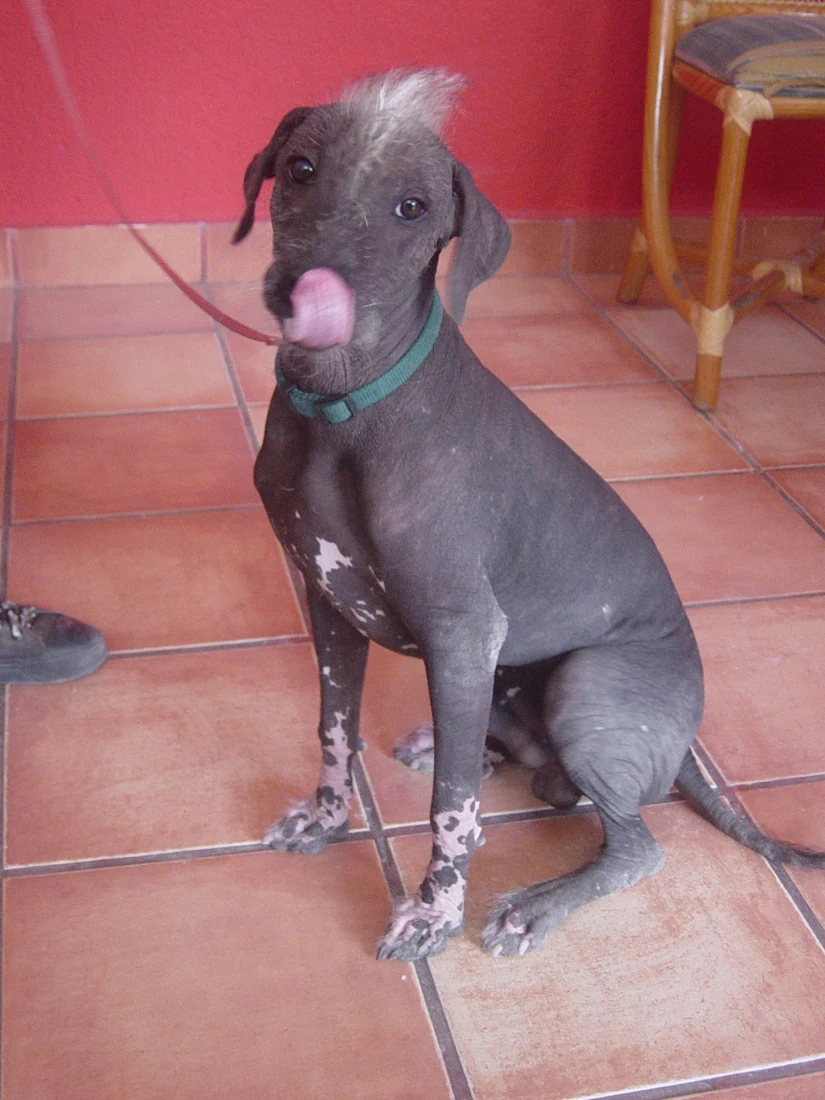
Why this breed stands out
The Xolo combines a striking appearance with a distinctive cultural history. Its hairless variety makes the dog's skin and outline especially visible, but coated Xolos belong to the same breed, and both varieties occur in toy, miniature and standard sizes. In Aztec belief, these dogs had a role as guides to the afterlife. That combination earns the Xolo its place here. For an owner, the hairless variety also changes the care conversation: ask your vet about suitable skin care and sun protection.
Sources: Breed reference 1 · Breed reference 2.
In Australia: availability and where to start
Australian breeders listed.
Xoloitzcuintli are bred in Australia, although finding the right size and litter may take patience. Australian directories usually spell the name Xoloitzcuintle and separate Standard, Intermediate and Miniature listings. Start with those size-specific Dogz Online directories and verify the breeder's membership with their state canine body. Amasa in Sydney is one local enquiry route; its own site describes occasional breeding rather than a continuous supply of puppies. Confirm plans directly rather than relying on an old litter announcement.
Start here: Standard Xolo breeders · Intermediate Xolo breeders · Miniature Xolo breeders · Amasa breeder FAQ.
Availability sources checked: . Listings are enquiry routes, not endorsements or confirmation of a current litter.
Compare all ten breeds and read the breeder-checking checklist →
Origin: a Mexican story with deep roots
The Xoloitzcuintli, usually shortened to Xolo, has a long history in Mexico and an important place in Aztec culture. Hairlessness is only part of its identity: Xolos also come with short coats, and the breed has toy, miniature and standard sizes. AKC history
Temperament: close company thoughtful introductions
The Xoloitzcuintli Club of America describes dogs that bond strongly with their people but can be reserved with strangers. That makes an unhurried first meeting more useful than expecting instant friendship. Individual confidence, early experiences and ongoing training matter; the breed label cannot tell you how a particular dog will handle visitors. Breed club profile
Care: look beyond the coat
A coated Xolo needs occasional brushing; a hairless one brings different skin-care questions. Walks, play and consistent training still belong in the diary, whichever variety you meet. Ask a vet about appropriate sun protection and skin care rather than choosing products because they work for people. AKC breed guide
Household fit: start with the individual
Before choosing a Xolo, discuss the actual dog with its breeder or rescue. How does it respond to handling, household noise and time alone? What happens when someone knocks? Can everyone in the home follow the same training plan? Meet adult dogs where possible, and ask to see their everyday routine rather than relying on a charming puppy photograph. The useful question is whether you can accommodate this dog's needs over years, including when work gets busy or your circumstances change.
Health: ask for the paperwork
Ask the breeder which hip, kneecap, cardiac and specialist eye evaluations have been completed, and request the results. These are screening areas listed by the AKC, not predictions for every Xolo. Ask your vet how those records, the dog's age and its individual history should inform ongoing care. AKC health information
Screening reference: AKC national breed-club health-testing recommendations (see the xoloitzcuintli entry).